QiKi Club
hi~ hello~ herro~
We are QiKi Club (pronounced “chee-kee” club)—a collective of queer asian healers, artists, and organizers rooted in care, resistance, and community power in the East Bay.
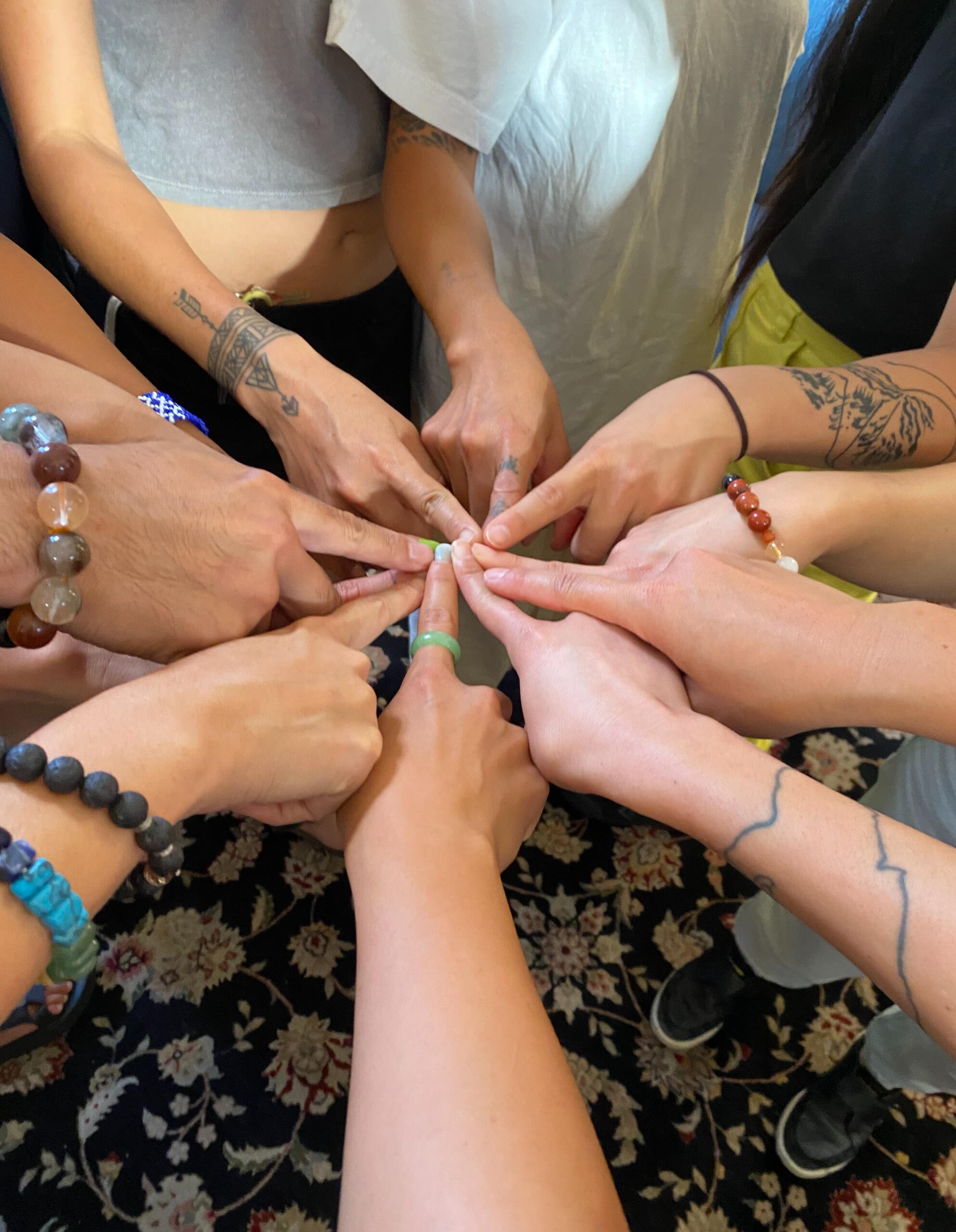
Our mission is to create an expansive space where Asian medicine, holistic healing, community, culture, education, and rest are deeply resourced and accessible. We envision a place where community builders, practitioners, and organizers come together to learn, rest, and be nourished—–so they can sustain their well-being and continue serving their communities with resilience and care.
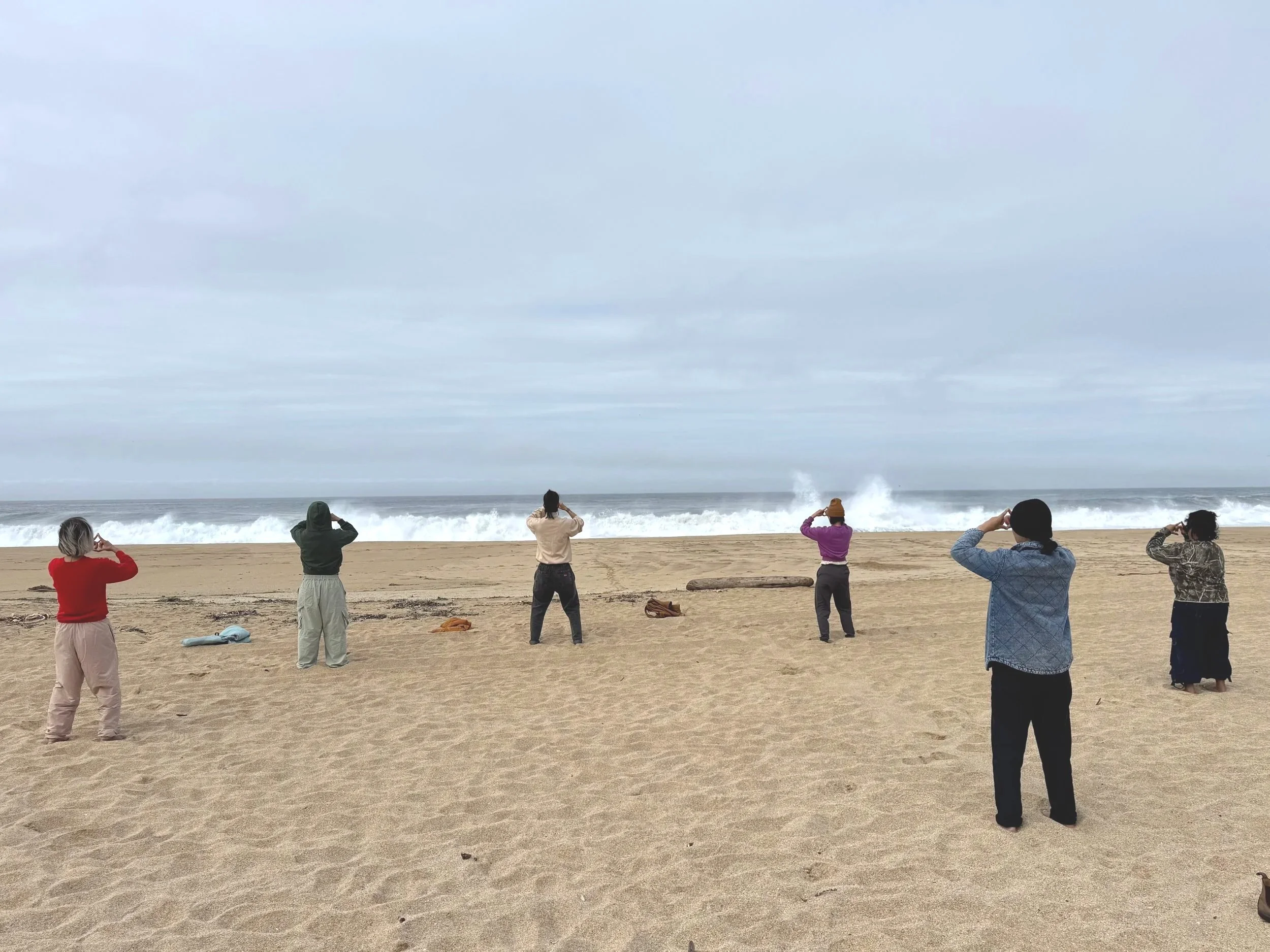
As we work towards funding our dream, we’ve been popping up around the Bay Area to provide accessible community acupuncture, cupping, bodywork, sound healing, tea service, and other healing modalities to our communities.
✹ ✹ ✹
In a world of unbalanced power and resources, QiKi Club seeks to bring communities into better balance and alignment with the Dao .
The Dao is a concept within Chinese philosophy that refers to the natural flow of the universe. It is the precursor to Yin and Yang which is the basis for East Asian Medicine. This concept was first introduced by the Wuyi, ancient Chinese shamans who were community healers.
✹ ✹ ✹
With this inspiration, we commit to:
putting indigenous Asian medicine back into the hands of Asian community healers
creating a vibrant gathering space for practitioners and community leaders

making Asian Medicine & wellness services accessible to impacted communities
~ The Dream ~
࿊ ࿊ ࿊
Generative community spaces rooted in mutual aid are vital for our collective survival, especially in the face of today’s political, economic, and climate crises. This evolving project is a challenge to the way traditional medicines are understood, practiced, and shared in the U.S.
East Asian Medicine began gaining formal recognition in the U.S. in the 1970s, particularly through the work of Black, Brown, and Asian activists who brought acupuncture into community health clinics as a tool for liberation and survival. Yet over the decades, the field has been professionalized, commercialized, and disproportionately dominated by white practitioners, making it financially and culturally inaccessible to many.
For members of the Asian diaspora——especially queer+trans & low-income elders——this has meant being cut off from their own ancestral healing practices. A community-centered healing space, led by Asian practitioners committed to accessibility and justice, creates the possibility of reclaiming these medicines as collective tools of empowerment, cultural survival, and resistance.